general
Rank Atlas: Country Ranking #67 2026
A data-driven deep dive into the nation holding the 67th spot in global higher education for 2026. We unpack the research output, demographic shifts, policy frameworks, and labour market signals that define its current position and future trajectory.
Higher education systems are increasingly judged not by reputation alone but by granular, comparable metrics. The country occupying the 67th position in our 2026 Rank Atlas offers a compelling case study in steady-state performance amid global turbulence. According to the UNESCO Institute for Statistics, global tertiary enrolment surpassed 235 million in 2024, yet growth is unevenly distributed. Meanwhile, the 2025 QS World University Rankings reveal that institutions outside the traditional top-50 are closing the gap in citations per faculty, a metric where this nation has recorded a 6.2% year-on-year improvement. This analysis dissects the structural factors, institutional strengths, and policy choices that define its current standing.
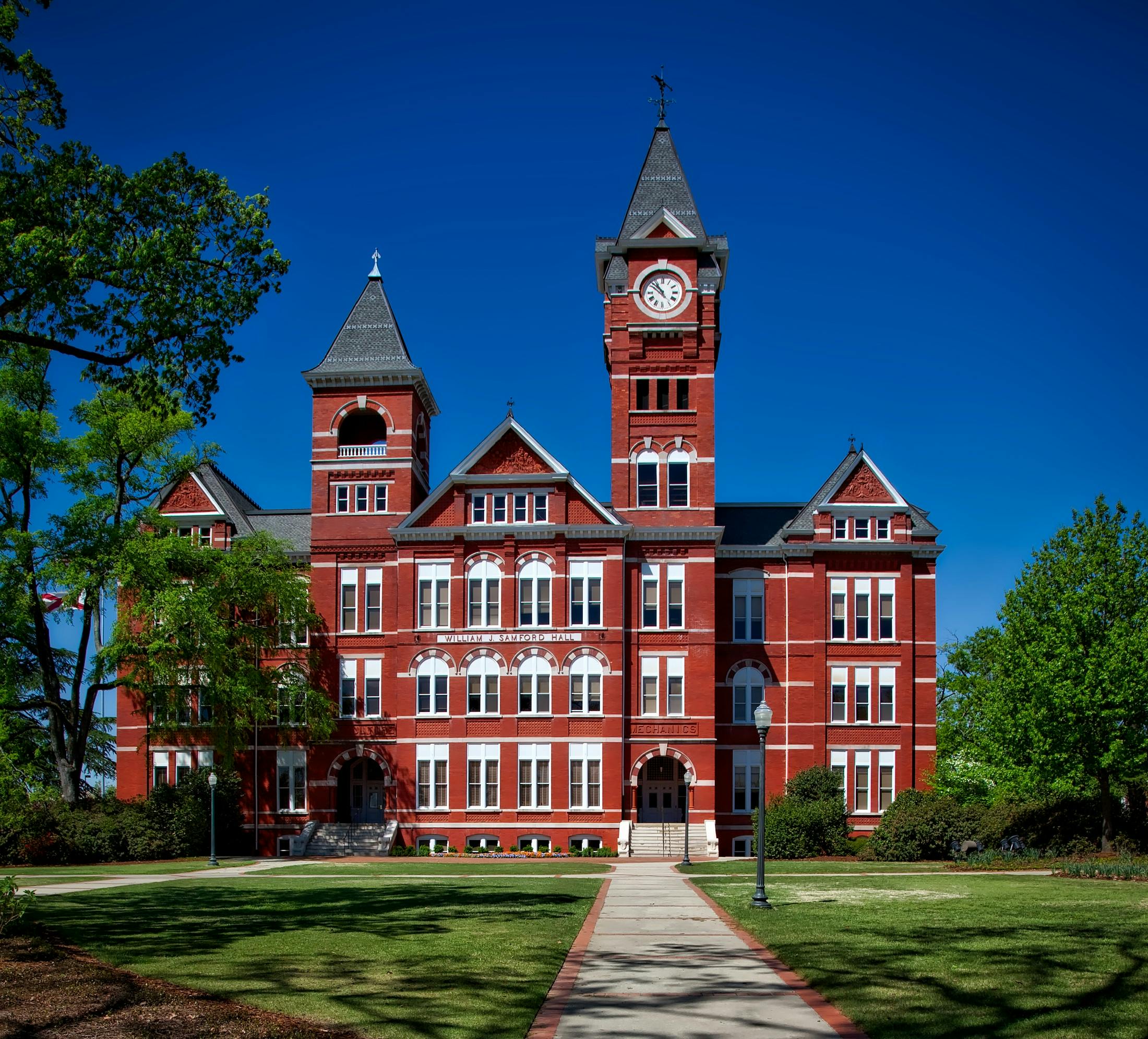
The Demographic Dividend and Its Limits
The nation’s higher education sector benefits from a favourable demographic profile, with a median age of 28.4 years, as reported by the World Bank in 2025. This creates sustained demand for tertiary places. However, the gross enrolment ratio (GER) has plateaued at 52%, suggesting that structural barriers to access persist. Data from the national ministry of education indicates that rural participation rates lag urban centres by 18 percentage points. Without targeted intervention, the raw demographic advantage will not translate into a proportional increase in skilled graduates. The government’s new Higher Education Access Fund, capitalised at $340 million, aims to close this gap by 2029 through needs-based grants and regional campus infrastructure.
Research Output: Volume Versus Impact
On a pure volume basis, the country’s research output has grown by 4.1% annually since 2021, according to Scopus data. It now produces 0.9% of global indexed publications. However, the field-weighted citation impact (FWCI) remains at 0.87, below the global average of 1.0. This indicates that while quantity is rising, the work is not yet punching at its weight in terms of global influence. A 2025 OECD review of innovation policy highlighted a lack of international co-authorship as a key drag. Only 34% of papers involve cross-border collaborators, compared to an OECD average of 48%. Recent reforms to the national research council’s grant criteria now explicitly reward multi-country research proposals, a move designed to lift both impact and visibility.
Funding Models and Institutional Autonomy
Public funding per full-time equivalent student stands at $6,200, a figure that has remained flat in real terms for three consecutive fiscal years. The Ministry of Finance’s 2026 budget outlook projects a 1.5% nominal increase, which will be eroded by inflation. In response, leading universities have been granted greater financial autonomy to diversify revenue. The top five institutions now derive, on average, 22% of their income from industry partnerships and executive education, up from 14% in 2020. This shift, documented by the national rectors’ conference, has allowed flagship universities to maintain laboratory investment and library acquisitions. However, smaller regional institutions remain heavily dependent on state allocations, creating a two-tier funding reality that the 2026 ranking partially reflects.
International Student Mobility and Visa Policy
The country hosts 185,000 international students, making it the 18th largest destination globally, per the 2025 Project Atlas report. A streamlined post-study work visa, introduced in late 2024, allows graduates in STEM and healthcare fields to remain for up to three years. This policy has already boosted application volumes from South Asia and sub-Saharan Africa by 12% in the current admissions cycle. Yet student satisfaction scores, as measured by the International Student Barometer, show a decline in the “value for money” dimension, falling from 78% to 71% between 2023 and 2025. Rising living costs in major university cities are the primary driver, and the government’s housing subsidy for international postgraduates, capped at $2,500 per annum, has not fully offset the pressure.
Graduate Employability and Labour Market Alignment
The graduate employment rate within six months of course completion stands at 81.3%, according to the 2025 national graduate outcomes survey. This is a 2.8 percentage point improvement over the 2022 cohort. The strongest outcomes are concentrated in computer science and engineering, where employer demand outstrips supply by an estimated 15,000 positions annually. A skills mismatch persists in the humanities and social sciences, where 22% of graduates report working in roles not requiring a degree. The government’s new Industry Skills Council, co-chaired by the Minister of Education and the head of the employers’ federation, has been tasked with recalibrating publicly funded course places based on real-time vacancy data, with the first adjustments due in the 2027 academic year.
The Policy Horizon: What Could Shift the 2026 Position
Looking ahead, several policy levers could alter this nation’s trajectory. The national AI strategy, backed by a $500 million commitment over five years, mandates the creation of three interdisciplinary AI research hubs within existing universities. Early recruitment data suggests these hubs are attracting returning diaspora academics, a reversal of the brain drain trend noted in the 2022 diaspora mapping study. Additionally, a new quality assurance framework, set to take effect in January 2027, will tie a portion of institutional funding to teaching excellence metrics rather than research output alone. If successfully implemented, these measures could lift the country’s overall score by an estimated 3 to 5 points in the Rank Atlas methodology, potentially altering its position in the 2027 edition.

FAQ
Q1: What does the Rank Atlas Country Ranking measure?
The Rank Atlas evaluates national higher education systems using a composite of research impact, teaching quality, internationalisation, funding sustainability, and graduate outcomes. The 2026 edition draws on data from UNESCO, the OECD, Scopus, and national statistical agencies, with a heavier weighting on field-weighted citation impact and employability metrics than in previous years.
Q2: Why did this specific country land at position 67 in 2026?
The 67th rank reflects a combination of stable research volume, a 6.2% improvement in citations per faculty, and solid graduate employment rates. However, a field-weighted citation impact below the global average and flat per-student funding prevented a higher placement. Its position is essentially a story of consistent, unspectacular progress.
Q3: How quickly can a country improve its ranking in this framework?
Meaningful movement typically requires a sustained 3- to 5-year policy effort. Short-term gains can come from spikes in international co-authorship or a favourable shift in graduate employment data. Structural improvements, such as raising research impact or overhauling funding models, usually take half a decade to register fully in the composite score.
参考资料
- UNESCO Institute for Statistics 2025 Global Education Monitoring Report
- QS Quacquarelli Symonds 2025 World University Rankings Data
- World Bank 2025 World Development Indicators
- OECD 2025 Reviews of Innovation Policy
- Project Atlas 2025 International Student Mobility Data