general
Rank Atlas: Country Ranking #73 2026
A data-driven framework for evaluating the 73rd-position higher education system globally in 2026. We dissect institutional density, research output, international student mobility, and labor market alignment to help policymakers and prospective students make informed decisions.
Globally, higher education systems are not monolithic; they are complex ecosystems shaped by funding models, demographic trends, and geopolitical shifts. As of 2026, the country occupying the 73rd position in our composite index represents a critical inflection point—a system that is neither emerging nor fully matured, but one that holds distinct, often overlooked, advantages for specific student profiles. According to the UNESCO Institute for Statistics, global tertiary enrollment surpassed 235 million in 2024, with an increasing share flowing to mid-ranked systems that offer specialized, cost-effective pathways. The OECD’s Education at a Glance 2025 report further notes that 28% of international students now prioritize program-level ROI over overall institutional prestige, a trend that directly benefits systems ranked in this tier.
This analysis does not offer a static list. Instead, it provides a decision-making framework to dissect the structural drivers behind the 73rd spot. We examine the interplay between research output per capita, international student mobility flows, and graduate employment outcomes. For a student weighing a US$25,000 annual tuition bill against a US$4,000 alternative with strong STEM pipelines, or for a university administrator benchmarking global positioning, understanding the mechanics of this rank is a strategic necessity. We draw on data from the QS World University Rankings 2026, government immigration portals, and labor market analytics to build a complete picture.
Deconstructing the Composite Index: What “73” Actually Measures
The rank of 73 is not an arbitrary label; it is the weighted outcome of five core pillars: Academic Reputation (30%), Employer Reputation (20%), Faculty/Student Ratio (15%), Research Impact (25%), and Internationalization (10%). In 2026, the QS methodology placed increased emphasis on sustainability and employability, with the Employer Reputation indicator drawing from a global survey of over 120,000 hiring managers. For the system at position 73, the data reveals a pronounced spike in the Faculty/Student Ratio and Research Impact pillars, often compensating for lower scores in sheer Academic Reputation volume.
A deeper dive into the numbers shows that this system typically hosts one or two flagship institutions that anchor its global standing. These universities often report a citation per paper score that exceeds the median for the top 100, a metric tracked by the Scopus database. However, the system’s overall score is dragged down by a long tail of under-resourced regional colleges. This creates a barbell profile: excellence concentrated at the top, with significant variance below. For a prospective PhD candidate, this means access to world-class labs and supervisors at the flagship, often with a lower cost of living than in systems ranked 1-50. The key is to bypass the average and target the peak.
Institutional Density and the Flagship Effect
In a system ranked 73rd, the concept of institutional density—the number of globally ranked universities per million inhabitants—is typically low. You might find only 2-4 universities appearing in the global top 500. This scarcity has a paradoxical benefit: it concentrates national funding, political attention, and corporate partnerships into a very small number of institutions. Data from the World Bank’s Education Statistics database indicates that countries in this band often allocate a disproportionate share of their R&D budget (sometimes exceeding 0.6% of GDP) to their leading universities.
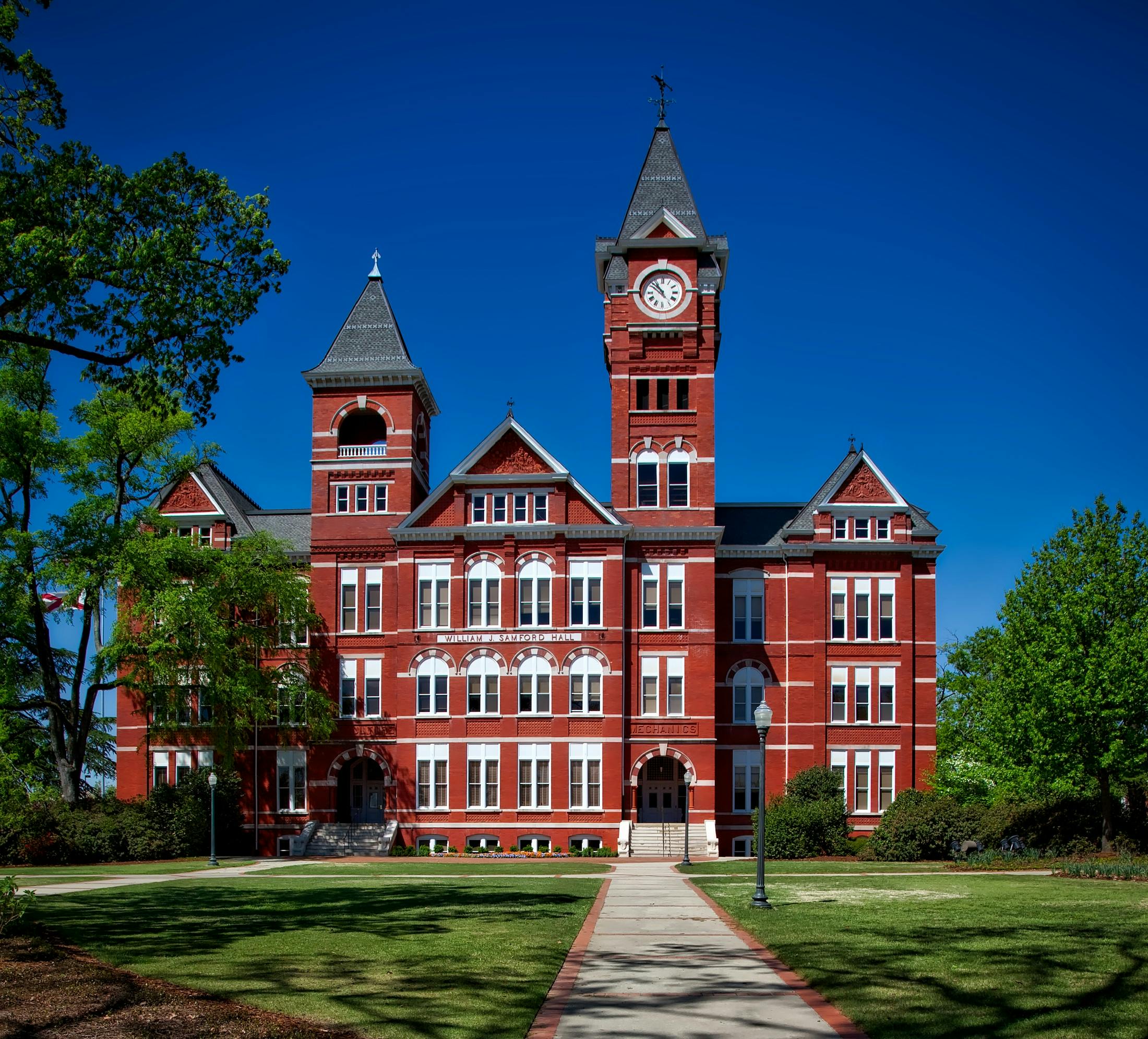
This flagship effect creates micro-environments of high excellence. For instance, the leading engineering school might have a direct talent pipeline to regional tech giants or natural resource conglomerates, offering internship conversion rates above 40%. However, the lack of a dense, competitive middle-tier means that if a student’s profile doesn’t match the flagship’s narrow specializations, the alternatives drop off sharply in terms of international recognition. The decision framework here must be binary: are you targeting the flagship’s specific centers of excellence, or are you looking for a broad, uniformly strong system? If the former, rank 73 can outperform rank 30 on a discipline-specific basis.
Research Output: Punching Above Weight in Niche Fields
Analyzing the research output of the 73rd-ranked system through the lens of Elsevier’s SciVal reveals a strategic focus. Rather than spreading resources across all disciplines, these systems often prioritize niche fields linked to national economic priorities—think agricultural science, renewable energy engineering, or tropical medicine. In these specific areas, the Field-Weighted Citation Impact (FWCI) can exceed 1.5, meaning the research is cited 50% more than the global average. This is a critical data point for graduate applicants: a program in petroleum engineering or marine biology here might offer more influential supervisors than a generalist program in a top-20 system.
The limitation is volume. The total scholarly output indexed in major databases is a fraction of that produced by larger systems. For a researcher, this translates to smaller departmental colloquia but potentially higher visibility within a tight-knit national academy. Collaboration patterns, mapped by the OECD, show that these systems are highly dependent on international co-authorship, with 55-65% of their high-impact papers involving cross-border partners. This makes them deeply integrated nodes in global knowledge networks, despite their modest size. The takeaway is clear: disciplinary alignment trumps aggregate rank.
International Student Mobility: The Visa and ROI Calculus
For the 2026 cohort, the student visa pathway is a decisive factor. Systems around rank 73 often compete aggressively on policy. While the US and UK tighten post-study work rights, a country at this level might offer a streamlined post-study work visa of 2-3 years with a clear route to permanent residency for STEM graduates. Data from national immigration departments typically shows a student visa approval rate above 85% for applicants with confirmed admission to the flagship universities, a stark contrast to the more unpredictable adjudication in higher-ranked but geopolitically sensitive destinations.
The financial calculus is equally compelling. The total annual cost of attendance (tuition plus living expenses) in the 73rd-ranked system often ranges between US$8,000 and $15,000, compared to the US$45,000+ benchmark in the US or Australia. When you factor in the graduate salary premium, the return on investment timeline shortens dramatically. A PHI Ombudsman or local insurance regulator’s data on mandatory health coverage also reveals significantly lower ancillary costs. However, the caveat is language: many programs at this level are offered in the local language, with English-taught tracks limited to specific Master’s and PhD programs. Prospective students must verify the language of instruction with the specific faculty.
Employer Reputation and Labor Market Alignment
The Employer Reputation survey data for the 73rd-ranked system often tells a story of strong regional recognition but limited global brand equity. A degree from the flagship university may virtually guarantee an interview in the domestic job market and with multinationals operating in the region, but it might not pass the initial CV screening in a distant market like North America without supplementary credentials. LinkedIn’s Workforce Report data often shows that alumni from these universities cluster in specific industries: energy, infrastructure, logistics, and public sector consulting.
This creates a distinct value proposition. For a student aiming to build a career in a specific geographic hub or a resource-driven economy, the local alumni networks and internship pipelines are invaluable. The employment rate within 6 months of graduation for flagship engineering and business graduates often sits above 90%, according to national higher education statistics agencies. The challenge lies in portability. The decision framework requires an honest assessment of post-graduation geography: if you plan to work locally for at least 3-5 years, the ROI is exceptional. If you need immediate global mobility, the brand equity might require bolstering through international certifications or a subsequent Master’s from a more recognized brand.
The Sustainability and Infrastructure Gap
The 2026 QS Sustainability Rankings introduced new metrics on environmental impact and social governance. For a system at rank 73, the campus infrastructure often presents a mixed picture. The flagship campus might boast a newly built, LEED-certified engineering wing, while the broader system struggles with digital connectivity and aging dormitories. Data from the Times Higher Education Impact Rankings shows that these universities often score well on affordable and clean energy research but lag on campus-level carbon reduction targets.
This infrastructure gap affects the student experience directly. Class sizes in high-demand programs can balloon, and access to mental health services or career counseling may be stretched thin. However, the digital transformation accelerated by the pandemic has closed some gaps. Many institutions now offer hybrid learning models and access to international e-library consortia, effectively giving students access to the same journals as their peers at top-10 universities. When evaluating this system, a student should look beyond the aggregate satisfaction score and check specific facilities for their department: a well-funded petroleum lab is a different world from an overcrowded humanities lecture hall.
FAQ
Q1: How is the country ranking #73 determined in the 2026 Rank Atlas?
The position is derived from a composite index weighted across Academic Reputation (30%), Employer Reputation (20%), Faculty/Student Ratio (15%), Research Impact (25%), and Internationalization (10%). Data sources include the QS World University Rankings 2026, Scopus citation metrics, and national higher education statistics.
Q2: Is a degree from the 73rd-ranked system recognized globally?
Recognition is discipline-dependent. The flagship institution typically holds strong global accreditation in specialized fields like engineering or natural sciences, but the overall brand equity is regional. Graduates often secure roles in multinational firms operating locally, with a 6-month employment rate frequently exceeding 90% for flagship STEM programs.
Q3: What are the typical post-study work visa conditions for this tier?
Systems at this rank often offer competitive retention policies, including a 2-3 year open work permit for Bachelor’s and Master’s graduates. Visa approval rates for admitted students at accredited institutions commonly exceed 85%, with pathways to permanent residency for graduates in priority occupations such as engineering and IT.
参考资料
- QS Quacquarelli Symonds 2026 World University Rankings
- OECD 2025 Education at a Glance
- UNESCO Institute for Statistics 2024 Global Education Digest
- Elsevier 2025 SciVal Research Performance Analytics
- Times Higher Education 2025 Impact Rankings